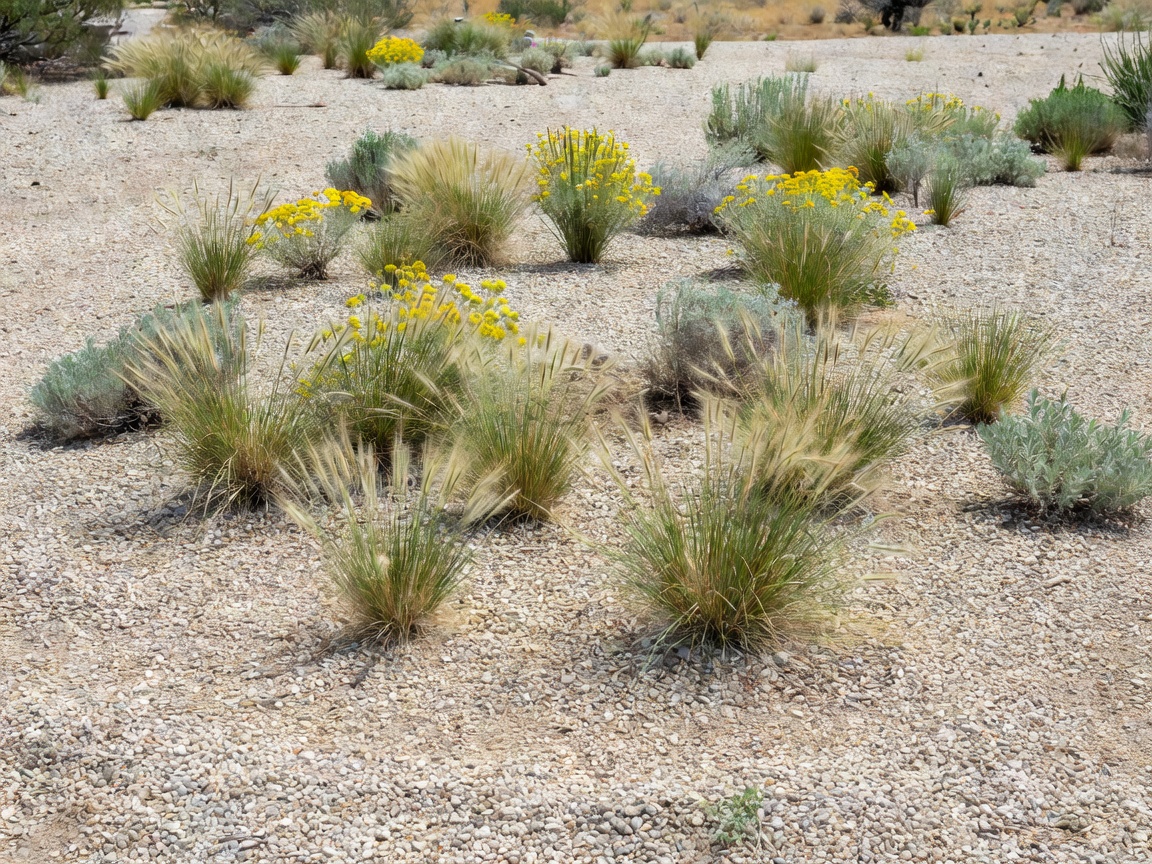
Traditional non-native turf lawns consume over 30% of residential potable water in North America and require continuous chemical inputs. Modern sustainable landscape design shifts the paradigm toward multi-tiered native plant matrices that build living soil sponge dynamics while delivering dynamic seasonal interest.
1. The Four-Layer Botanical Matrix
Rather than leaving open patches of mulch requiring frequent replacement and weeding, nature organizes in dense, overlapping matrices:
- Structural Layer (Trees & Evergreen Shrubs): Anchor species such as Juniperus virginiana and Amelanchier that provide windbreaks and winter bird forage.
- Seasonal Flowering Layer: Rudbeckia, Echinacea, and Asclepias tuberosa providing pulsing flushes of nectar for native pollinators from late spring to autumn.
- Ground Cover Green Mulch: Fragaria virginiana and Carex pensylvanica forming dense vegetative mats that shade out weed seeds and retain soil moisture.
- Architectural Winter Grasses: Schizachyrium scoparium (Little Bluestem) and Panicum virgatum left standing through winter to catch frost and snow geometry.
2. Soil Biology and Mycorrhizal Symbiosis
Drought tolerance is not just about plant genetics—it is driven by the underground soil sponge. Introducing arbuscular mycorrhizal fungi (AMF) colonizes the root systems of native perennials, expanding their effective root surface absorption area by over 700% and allowing plants to extract deep mineral water during severe summer heat waves.
3. Water Retention Grading: Swales and Rain Gardens
Passive stormwater harvesting captures roof gutter output into shallow, vegetated retention depressions (rain gardens) filled with bio-retention soil mixes. This recharges local aquifers and eliminates irrigation dependency once plants achieve establishment after season two.